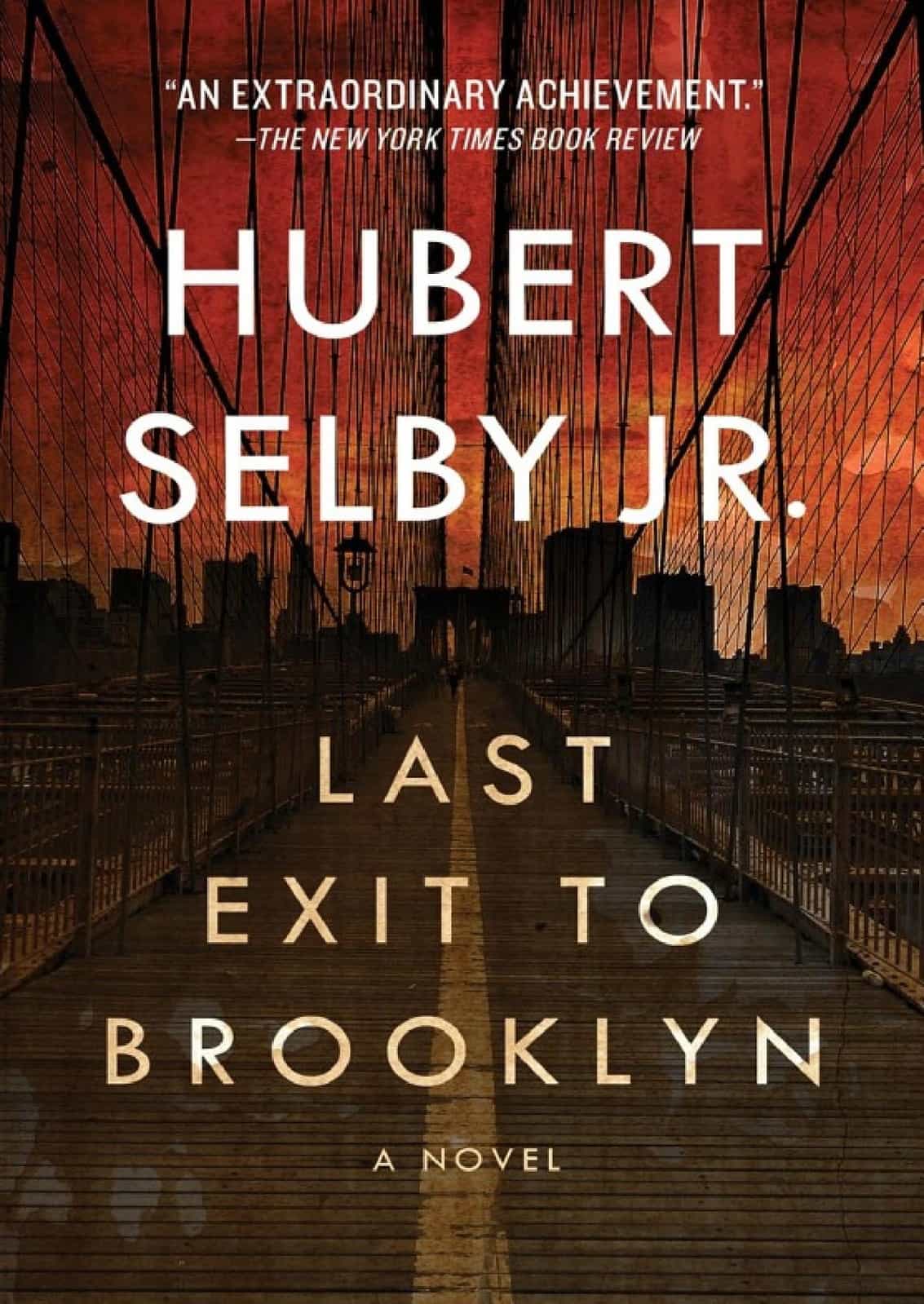
Last Exit to Brooklyn
By Hubert Selby
2011


Summary
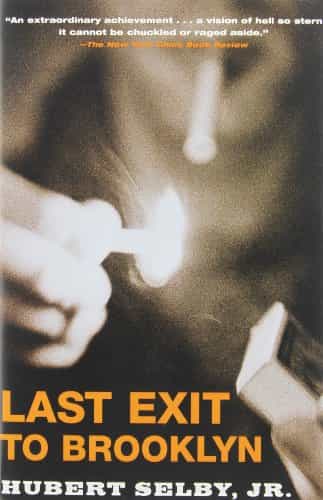
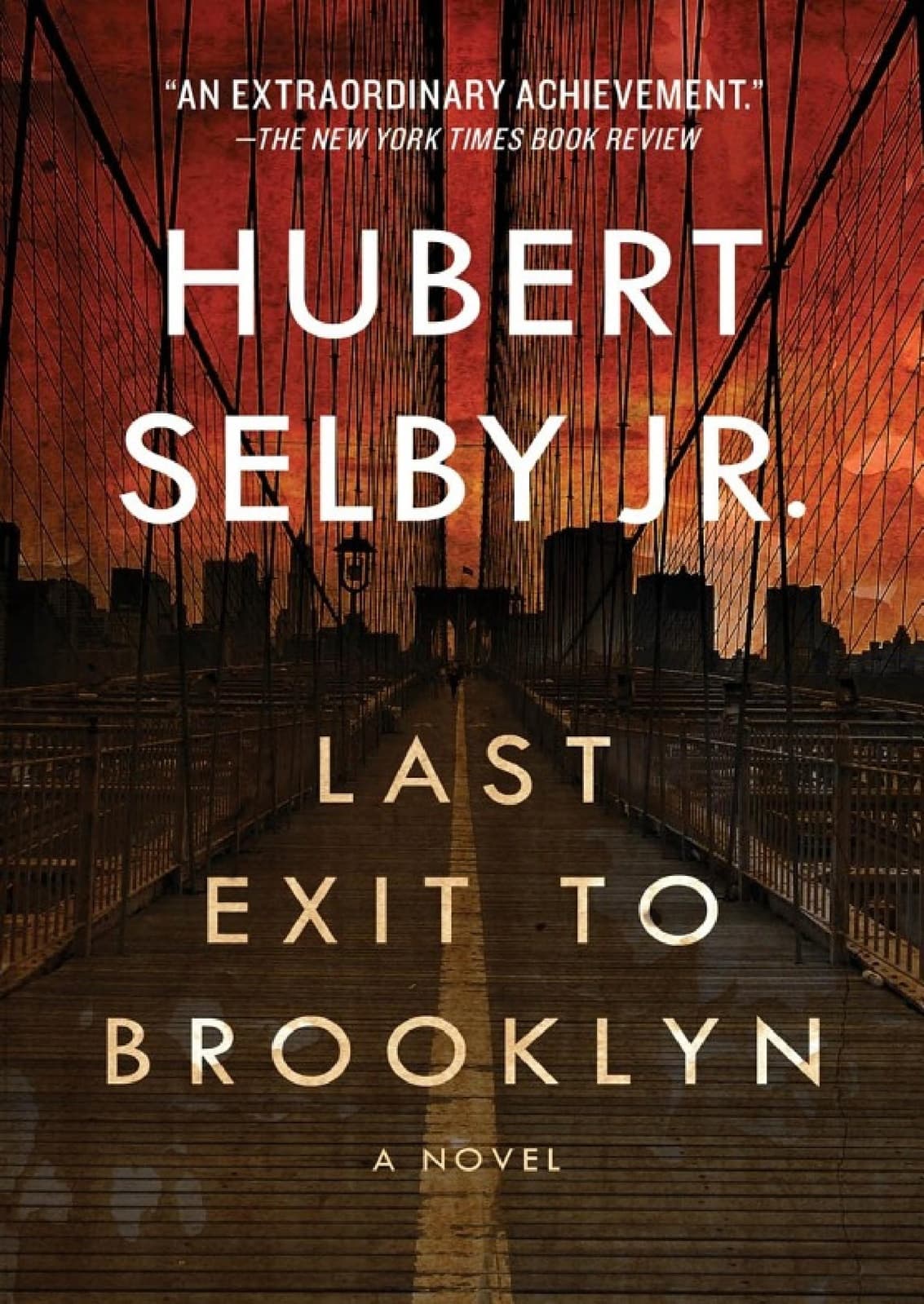
DIVDIVDIV“An extraordinary achievement . . . a vision of hell so stern it cannot be chuckled or raged aside.”—The New York Times Book Review/divDIV A classic of postwar American literature, Last Exit to Brooklyn created shock waves upon its release in 1964 with its raw, vibrant language and startling revelations of New York City’s underbelly. /divDIV /divDIVThe prostitutes, drunks, addicts, and johns of Selby’s Brooklyn are fierce and lonely creatures, desperately searching for a moment of transcendence amidst the decay and brutality of the waterfront—though none have any real hope of escape. /divDIV /divDIVLast Exit to Brooklyn offers a disturbing yet hauntingly sensitive portrayal of American life, and nearly fifty years after publication, it stands as a crucial and masterful work of modern fiction. /divDIV /divDIVThis ebook features an illustrated biography of Hubert Selby Jr. including rare photos from the author’s estate./div/div/div
Reviews and Comments
1 reviews
Hubert Selby Critics and fellow writers praised the book on its release. Due to its frank portrayals of taboo subjects, such as drug use, street violence, gang rape, homophobia, prostitution and domestic violence it was the subject of an obscenity trial in the United Kingdom and was banned in Italy. Synopsis The stories are set almost entirely in what is now considered the Sunset Park section of Brooklyn; the location is widely misreported as Red Hook, where one story is set and parts of the 1989 movie were filmed.[2] Last Exit to Brooklyn is divided into six parts that can, more or less, be read separately. Each part is prefaced with a passage from the Bible. Another Day, Another Dollar: A gang of young Brooklyn hoodlums hang around an all-night diner and get into a vicious fight with a group of Army soldiers on leave. The Queen Is Dead: Georgette, a sassy transgender prostitute, is thrown out of the family home by her homophobic brother and tries to attract the attention of a ruthless hoodlum named Vinnie at a benzedrine-driven party. Georgette dies of a drug overdose after the party. And Baby Makes Three: A story told by an unknown narrator about a couple, Suzy and Tommy, who have a baby out of wedlock, and their wedding, and baby's christening party is quickly thrown by Suzy's parents. Tralala: The title character of an earlier Selby short story, she is a young Brooklyn prostitute who makes a living propositioning sailors in bars and stealing their money. In perhaps the novel's most notorious scene, she is brutally gang-raped after a night of heavy drinking. She is left for dead in a vacant lot. Strike: Harry, a machinist in a factory, becomes a local official in the union. He is a closeted gay man, he abuses his wife, and he tries to boast of his accomplishments and his high status to anyone who might listen to convince himself that he is a man. He gains a temporary status and importance during a long strike, and uses the union's money to entertain the young street punks and buy the company of drag queens and gay men. He is ultimately beaten viciously by the hoodlums from the opening chapter, after he forcibly fellates a 10-year-old boy. Landsend: Described as a "coda" for the book, this section presents the intertwined, yet ordinary day of numerous denizens in a housing project. Style Last Exit to Brooklyn was written in an idiosyncratic style that ignores most conventions of grammar. Selby wrote most of the prose as if it were a story told from one friend to another at a bar rather than a novel, using coarse and casual language. He used slang-like conjunctions of words, such as tahell for "to hell" and yago for "you go." The paragraphs were often written in a stream of consciousness style with many parentheses and fragments. Selby often indented new paragraphs to the middle or end of the line. Selby did not use quotation marks to distinguish dialogue but instead merely blended it into the text. He used a slash instead of an apostrophe mark for contractions and did not use an apostrophe at all for possessives.
Hubert Selby Critics and fellow writers praised the book on its release. Due to its frank portrayals of taboo subjects, such as drug use, street violence, gang rape, homophobia, prostitution and domestic violence it was the subject of an obscenity trial in the United Kingdom and was banned in Italy. Synopsis The stories are set almost entirely in what is now considered the Sunset Park section of Brooklyn; the location is widely misreported as Red Hook, where one story is set and parts of the 1989 movie were filmed.[2] Last Exit to Brooklyn is divided into six parts that can, more or less, be read separately. Each part is prefaced with a passage from the Bible. Another Day, Another Dollar: A gang of young Brooklyn hoodlums hang around an all-night diner and get into a vicious fight with a group of Army soldiers on leave. The Queen Is Dead: Georgette, a sassy transgender prostitute, is thrown out of the family home by her homophobic brother and tries to attract the attention of a ruthless hoodlum named Vinnie at a benzedrine-driven party. Georgette dies of a drug overdose after the party. And Baby Makes Three: A story told by an unknown narrator about a couple, Suzy and Tommy, who have a baby out of wedlock, and their wedding, and baby's christening party is quickly thrown by Suzy's parents. Tralala: The title character of an earlier Selby short story, she is a young Brooklyn prostitute who makes a living propositioning sailors in bars and stealing their money. In perhaps the novel's most notorious scene, she is brutally gang-raped after a night of heavy drinking. She is left for dead in a vacant lot. Strike: Harry, a machinist in a factory, becomes a local official in the union. He is a closeted gay man, he abuses his wife, and he tries to boast of his accomplishments and his high status to anyone who might listen to convince himself that he is a man. He gains a temporary status and importance during a long strike, and uses the union's money to entertain the young street punks and buy the company of drag queens and gay men. He is ultimately beaten viciously by the hoodlums from the opening chapter, after he forcibly fellates a 10-year-old boy. Landsend: Described as a "coda" for the book, this section presents the intertwined, yet ordinary day of numerous denizens in a housing project. Style Last Exit to Brooklyn was written in an idiosyncratic style that ignores most conventions of grammar. Selby wrote most of the prose as if it were a story told from one friend to another at a bar rather than a novel, using coarse and casual language. He used slang-like conjunctions of words, such as tahell for "to hell" and yago for "you go." The paragraphs were often written in a stream of consciousness style with many parentheses and fragments. Selby often indented new paragraphs to the middle or end of the line. Selby did not use quotation marks to distinguish dialogue but instead merely blended it into the text. He used a slash instead of an apostrophe mark for contractions and did not use an apostrophe at all for possessives.